Warts are one of the most common skin problems seen by dermatologists, yet they are also among the most frustrating—for both patients and doctors. Many people undergo wart removal treatment only to notice the wart reappearing weeks or months later. This leads to a common question: Why do some warts keep coming back even after treatment?
Understanding the real reason behind recurrent warts is crucial for choosing the right treatment and preventing future outbreaks. In this blog, we’ll explore the medical reasons, risk factors, and the importance of expert care in achieving long-lasting results.
What Causes Warts in the First Place?
Warts are caused by the Human Papillomavirus (HPV), a highly contagious virus that enters the skin through tiny cuts or abrasions. There are over 100 types of HPV, and different strains cause different types of warts such as:
-
Common warts
-
Plantar warts
-
Flat warts
-
Filiform warts
-
Genital warts
Because HPV infection in the skin can remain dormant, removing the visible wart does not always mean the virus has been fully eliminated.
Why Do Warts Come Back After Removal?
1. The Virus Is Still Present in the Skin
One of the most common reasons for wart recurrence is that the HPV virus remains active beneath the skin surface. Many treatments remove the visible wart tissue but fail to destroy the virus completely.
This is why superficial treatments or incomplete procedures often lead to warts coming back after treatment.
2. Weak Immune Response
Your immune system plays a major role in fighting HPV. People with:
-
Stress
-
Poor immunity
-
Diabetes
-
Autoimmune conditions
-
Frequent infections
are more prone to recurrent wart infection. If the immune system does not recognize or attack the virus effectively, warts are more likely to return.
3. Incomplete or Improper Treatment
Using over-the-counter products or home remedies often results in partial wart destruction. This leaves behind infected cells, allowing the wart to regrow.
Improper wart removal is one of the leading causes of repeated wart formation, especially when people attempt to cut, burn, or chemically treat warts at home.
4. Type and Location of the Wart
Certain warts are more stubborn than others:
-
Plantar warts grow deep into the soles due to pressure
-
Periungual warts (around nails) are difficult to treat
-
Facial warts require conservative yet precise treatment
These types often need advanced wart removal procedures to prevent recurrence.

5. Re-Exposure to the Virus
HPV thrives in warm, moist environments like swimming pools, gyms, and shared footwear areas. Walking barefoot or sharing personal items can lead to re-infection, even after successful treatment.
This explains why warts keep spreading or returning if preventive care is not followed.
Why Home Remedies Fail to Prevent Recurrence
Many patients try remedies like salicylic acid, apple cider vinegar, or garlic. While these may temporarily reduce the wart size, they rarely address the root viral infection.
Home remedies for wart removal often:
-
Cause skin burns
-
Increase infection risk
-
Lead to scarring
-
Fail to eliminate HPV
This results in recurrent warts, often worse than before.
Professional Wart Removal: Why Expertise Matters
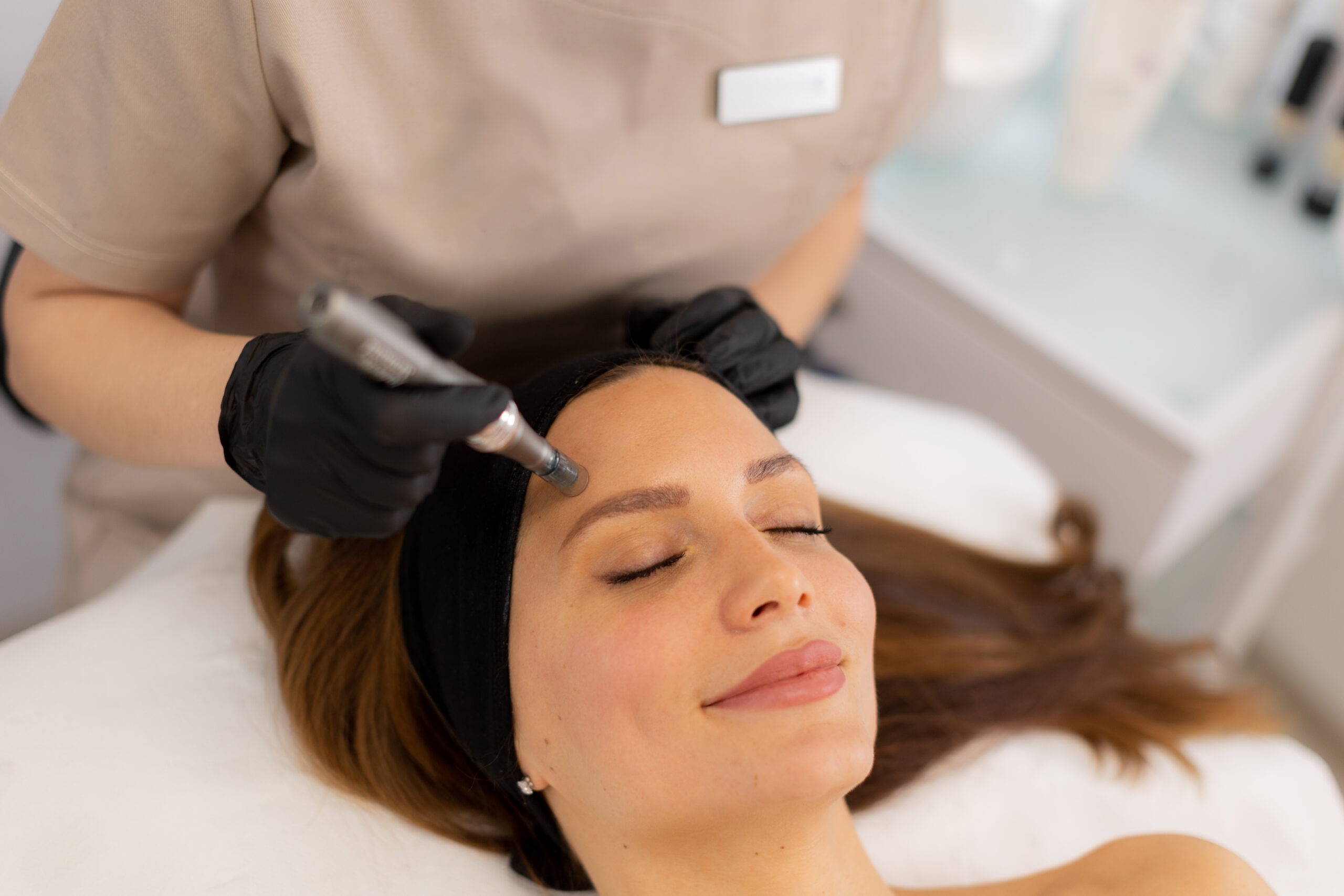
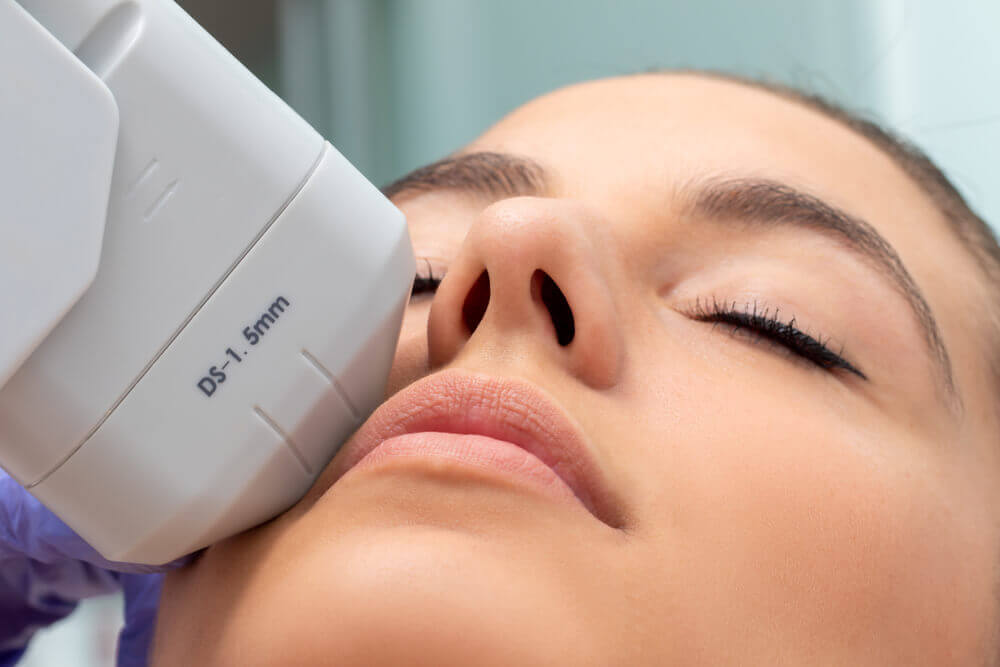
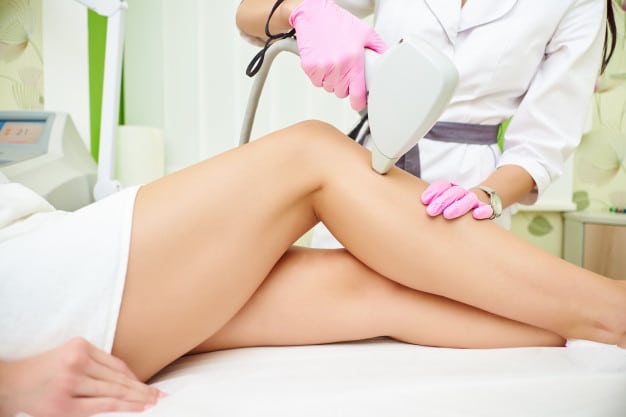
For permanent results, dermatologist-guided wart removal is essential. Advanced techniques target both the wart tissue and the virus-infected cells beneath.
Common Professional Treatments Include:
-
Laser wart removal
-
Cryotherapy (freezing warts)
-
Radiofrequency ablation
-
Electrocautery
-
Chemical cauterization
These methods significantly reduce the chances of warts coming back after removal.
How to Prevent Warts from Coming Back
To minimize recurrence, dermatologists recommend:
-
Strengthening immunity through diet and lifestyle
-
Avoiding barefoot walking in public areas
-
Not touching or picking warts
-
Completing all prescribed treatment sessions
-
Following post-procedure skin care strictly
Most importantly, choosing the best dermatologist for wart removal makes a significant difference.
Best Dermatologist in Indiranagar for Wart Removal
If you are struggling with recurrent warts or unsuccessful past treatments, expert care is crucial. Dr Juvita, widely regarded as the best dermatologist in Indiranagar, offers advanced, evidence-based solutions for the best wart removal in Indiranagar.
With extensive experience and state-of-the-art technology, Dr Juvita focuses on:
-
Complete viral eradication
-
Minimal pain procedures
-
Scar-free cosmetic results
-
Reduced risk of recurrence
Patients seeking safe and effective wart removal treatment in Indiranagar trust Dr Juvita for personalized care and long-term results.
When Should You See a Dermatologist?
Consult a specialist immediately if:
-
Warts are painful or bleeding
-
Warts are spreading rapidly
-
Warts return after multiple treatments
-
Warts are on the face or genitals
-
You have diabetes or low immunity
Early intervention prevents complications and repeated treatments.
Final Thoughts
Warts coming back after treatment is not uncommon—but it is preventable. The key lies in understanding that warts are a viral skin infection, not just a cosmetic issue. Incomplete treatment, weak immunity, and lack of expert care are the main reasons for recurrence.
For lasting results, always choose professional wart removal by an experienced dermatologist. If you’re looking for reliable, advanced, and recurrence-free treatment, Dr Juvita is the best choice for wart removal in Indiranagar.