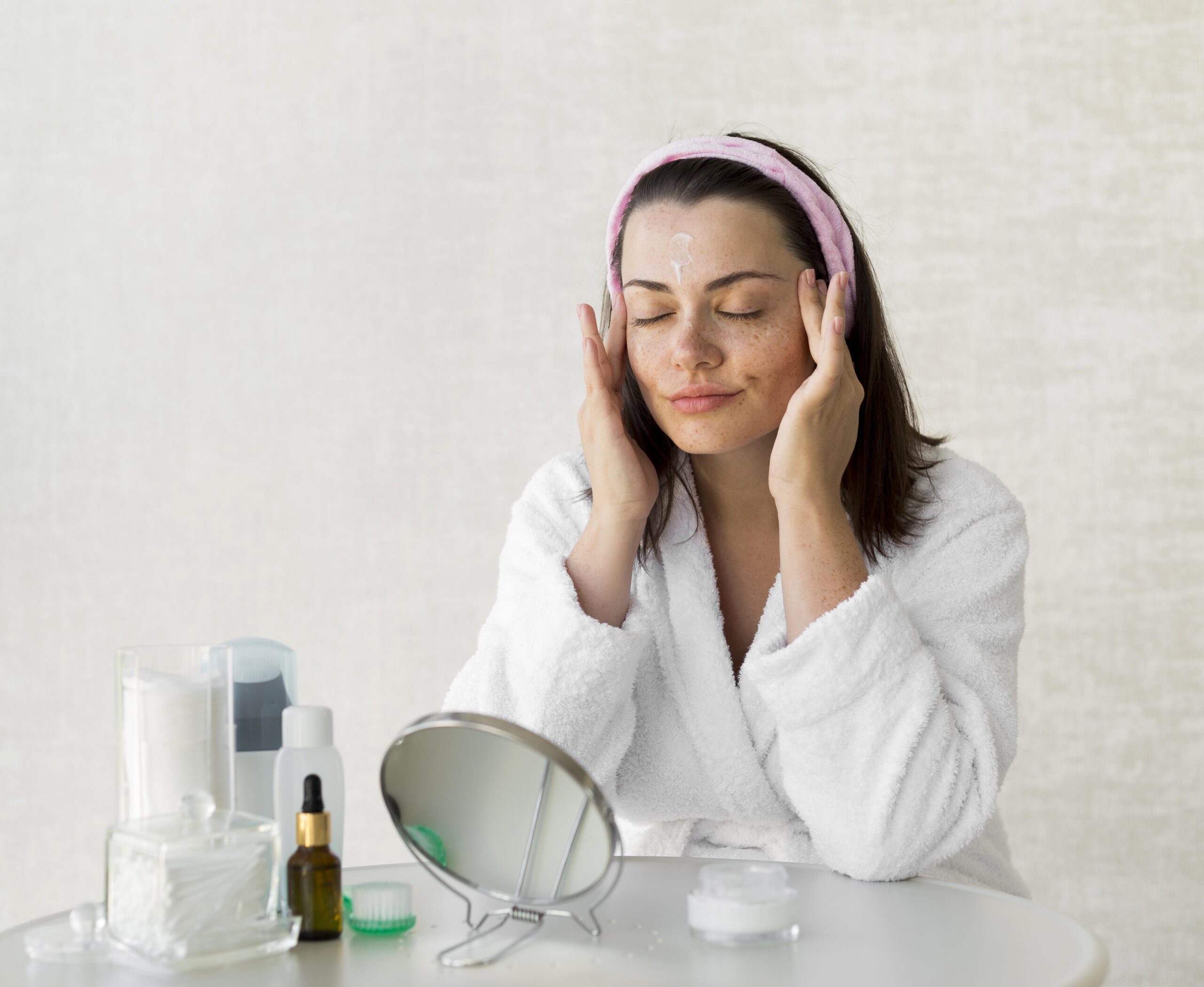
Building a skincare routine tailored to your skin type is the key to achieving glowing, healthy skin. Whether you have oily, dry, combination, or sensitive skin, using the right products and following the correct steps can make all the difference. As the skincare industry continues to evolve, it becomes even more important to understand your skin’s unique needs and how to meet them. If you’re unsure where to start, consulting a Skin Specialist in Bangalore can provide personalized recommendations.
In this guide, we’ll break down the essential skincare routine steps for each skin type, offering you tips to help achieve radiant skin.
Understanding Your Skin Type
Before diving into the steps of a personalized skincare routine, it’s essential to identify your skin type. Knowing whether your skin is oily, dry, combination, or sensitive will help you choose the right products and avoid unnecessary irritation.
- Oily Skin: Characterized by excess sebum production, this type of skin tends to look shiny, especially in the T-zone (forehead, nose, chin). Oily skin is prone to acne, blackheads, and enlarged pores.
- Dry Skin: This skin type feels tight, rough, and may appear flaky or dull. Dry skin lacks moisture, which can lead to irritation and fine lines over time.
- Combination Skin: A mix of oily and dry skin, combination skin typically has an oily T-zone and dry or normal cheeks. It can be challenging to find products that work for both areas.
- Sensitive Skin: Often reactive, sensitive skin can burn, sting, or become red after using certain products. It requires gentle, soothing ingredients that minimize irritation.
Oily Skin Skincare Routine
Oily skin requires a balance between controlling excess oil and keeping the skin hydrated. The goal is to maintain moisture while preventing breakouts.
Step 1: Cleanser
Start with a gel-based cleanser or foaming cleanser that’s designed for oily skin. Look for products containing salicylic acid or benzoyl peroxide, which help control oil and prevent acne.
Step 2: Toner
After cleansing, use an alcohol-free toner to remove any remaining dirt and oil. A toner with ingredients like witch hazel or tea tree oil can help tighten pores and balance oil production.
Step 3: Serum
A mattifying serum with niacinamide or hyaluronic acid can help regulate oil production and maintain hydration without making your skin greasy.
Step 4: Moisturizer
Even oily skin needs moisture, so opt for an oil-free moisturizer that won’t clog pores. Gel-based moisturizers work well for oily skin because they are lightweight and non-comedogenic.
Step 5: Sunscreen
Choose a non-comedogenic sunscreen with a matte finish. Sunscreen is essential for all skin types, including oily skin, to protect against harmful UV rays.
For oily skin concerns such as acne or blackheads, seeking advice from a Skin Specialist in Bangalore can provide more targeted treatments.
Dry Skin Skincare Routine
Dry skin requires extra moisture to prevent flakiness and discomfort. The goal is to hydrate and repair the skin’s barrier while locking in moisture.
Step 1: Cleanser
For dry skin, use a creamy, hydrating cleanser that is gentle on the skin. Avoid harsh cleansers with sulfates, which can strip your skin of its natural oils. Opt for cleansers that contain ingredients like glycerin or ceramides.
Step 2: Toner
Use a hydrating toner with ingredients like aloe vera or rose water. These toners soothe the skin and replenish lost moisture without over-drying.
Step 3: Serum
A rich serum with hyaluronic acid, vitamin C, or peptides will help deeply hydrate and rejuvenate the skin. These ingredients attract moisture to the skin and improve texture.
Step 4: Moisturizer
Moisturizing is crucial for dry skin. Choose a thick, emollient moisturizer with ingredients like shea butter, glycerin, or ceramides. These ingredients help repair the skin’s natural moisture barrier.
Step 5: Sunscreen
A hydrating sunscreen with added moisturizers is a must for dry skin. It will protect against UV rays while keeping your skin hydrated throughout the day.
Combination Skin Skincare Routine
Combination skin requires a balanced approach to target both oily and dry areas. The goal is to hydrate dry spots while controlling oil in the T-zone.
Step 1: Cleanser
Choose a mild, gentle cleanser that is suitable for all skin types. Gel-based cleansers work well for combination skin, as they cleanse without stripping the skin.
Step 2: Toner
Use a toner with balancing properties. A toner with witch hazel can help control oil in the T-zone, while ingredients like chamomile or rose water will soothe drier areas.
Step 3: Serum
For combination skin, use a lightweight, non-greasy serum. A hyaluronic acid serum is ideal for maintaining hydration while keeping oil production in check.
Step 4: Moisturizer
Opt for a lightweight, oil-free moisturizer that can hydrate the skin without making it greasy. If necessary, apply a richer cream to dry spots and a lighter gel on the T-zone.
Step 5: Sunscreen
Use a broad-spectrum sunscreen that suits combination skin. Choose one that provides matte coverage for the T-zone but is hydrating enough for the drier parts of your face.
Sensitive Skin Skincare Routine
Sensitive skin needs gentle care to avoid irritation and redness. The key is to use soothing, non-irritating ingredients that support the skin’s barrier function.
Step 1: Cleanser
Choose a mild, fragrance-free cleanser with soothing ingredients like aloe vera, chamomile, or calendula. Avoid products with harsh chemicals or exfoliants.
Step 2: Toner
Opt for an alcohol-free toner with calming ingredients like rose water or cucumber extract. These ingredients help soothe the skin and reduce redness.
Step 3: Serum
A calming serum with ingredients like niacinamide or ceramides can strengthen the skin barrier and reduce inflammation. Avoid products with high concentrations of acids or retinoids.
Step 4: Moisturizer
Choose a gentle, fragrance-free moisturizer with ceramides or fatty acids. These ingredients help lock in moisture and repair the skin’s barrier without causing irritation.
Step 5: Sunscreen
A mineral sunscreen is ideal for sensitive skin. Mineral sunscreens with zinc oxide or titanium dioxide are less likely to irritate the skin and provide broad-spectrum protection.
If you have sensitive skin or persistent reactions, a consultation with a Skin Specialist in Bangalore can help you find the most suitable products for your needs.
General Tips for Every Skin Type
Regardless of your skin type, there are a few general tips that everyone should follow to maintain healthy skin:
- Stay Hydrated: Drinking plenty of water helps keep your skin hydrated and flushes out toxins.
- Avoid Touching Your Face: Touching your face can transfer dirt, oil, and bacteria, leading to breakouts and irritation.
- Don’t Skip Sunscreen: Sunscreen should be part of every skincare routine to protect against the harmful effects of UV radiation.
- Be Consistent: Consistency is key when it comes to skincare. Stick to your routine and give products time to work.
Conclusion
A personalized skincare routine tailored to your specific skin type can greatly improve your skin’s health and appearance. Whether you have oily, dry, combination, or sensitive skin, choosing the right products and following the right steps will help you achieve clear, glowing skin. If you’re unsure which routine is best for your skin, visiting a Skin Specialist in Bangalore for professional advice can ensure that you’re on the right path to skincare success.
FAQs
- How can I determine my skin type?
You can determine your skin type by observing how your skin feels after cleansing—whether it’s oily, dry, or balanced. - Should I use the same skincare routine year-round?
Your skincare routine might need to be adjusted seasonally, especially if your skin changes due to weather conditions. - How often should I moisturize my skin?
You should moisturize your skin twice a day—once in the morning and once before bed—to keep it hydrated and nourished.