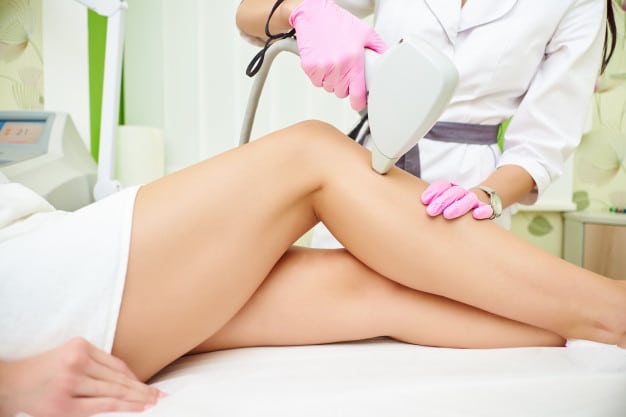
Stress is a natural part of life, but when it becomes chronic, it can have a significant impact on various aspects of our health, including our skin. The skin, being the body’s largest organ, is particularly vulnerable to stress. It is a reflection of our internal well-being, and when stress levels rise, the effects on our skin can be both visible and damaging. In this blog, we will explore how stress affects skin conditions like acne, eczema, and premature aging, and discuss the treatments and lifestyle adjustments that can help combat stress-related skin issues.
How Stress Affects the Skin
Stress triggers a cascade of physiological responses in the body, most notably the production of stress hormones like cortisol. While cortisol is essential for the body’s fight-or-flight response, excessive and prolonged exposure to high cortisol levels can wreak havoc on the skin.
1. Acne Breakouts
One of the most common skin conditions exacerbated by stress is acne. Stress increases cortisol production, which, in turn, stimulates the sebaceous glands in the skin to produce more oil. Excess oil, combined with dead skin cells and bacteria, clogs pores, leading to inflammation and the formation of pimples, blackheads, and cysts.
Moreover, stress can weaken the immune system, making it harder for the body to fight off bacteria that can worsen acne. Whether you’re dealing with occasional breakouts or persistent acne, stress can significantly increase the frequency and severity of flare-ups.
2. Eczema and Psoriasis
Eczema and psoriasis are chronic inflammatory skin conditions that often flare up during periods of stress. Stress activates the body’s immune system and inflammatory responses, leading to worsening symptoms. In eczema, stress can cause dry, itchy patches of skin to become inflamed, while in psoriasis, it can trigger the rapid growth of skin cells, leading to red, scaly patches.
For individuals with eczema or psoriasis, managing stress is a critical component of controlling flare-ups and maintaining healthier skin. The emotional and physical toll of stress makes it even more challenging to manage these conditions effectively, contributing to a vicious cycle.
3. Premature Aging
Stress doesn’t only affect the skin in the short term; it can also accelerate the aging process. Chronic stress reduces the skin’s ability to repair itself, which leads to the breakdown of collagen and elastin. These two proteins are essential for maintaining skin’s structure, elasticity, and youthful appearance. As collagen production decreases, the skin becomes less firm, more wrinkled, and more prone to sagging.
Furthermore, high cortisol levels can cause an increase in the production of free radicals, which are unstable molecules that damage skin cells and contribute to the visible signs of aging. This can result in the premature formation of fine lines, wrinkles, and dark spots.
Effective Treatments and Lifestyle Adjustments
While stress may be an inevitable part of modern life, managing its impact on skin health is possible with the right strategies. Here are some treatments and lifestyle adjustments that can help you combat stress-related skin issues.
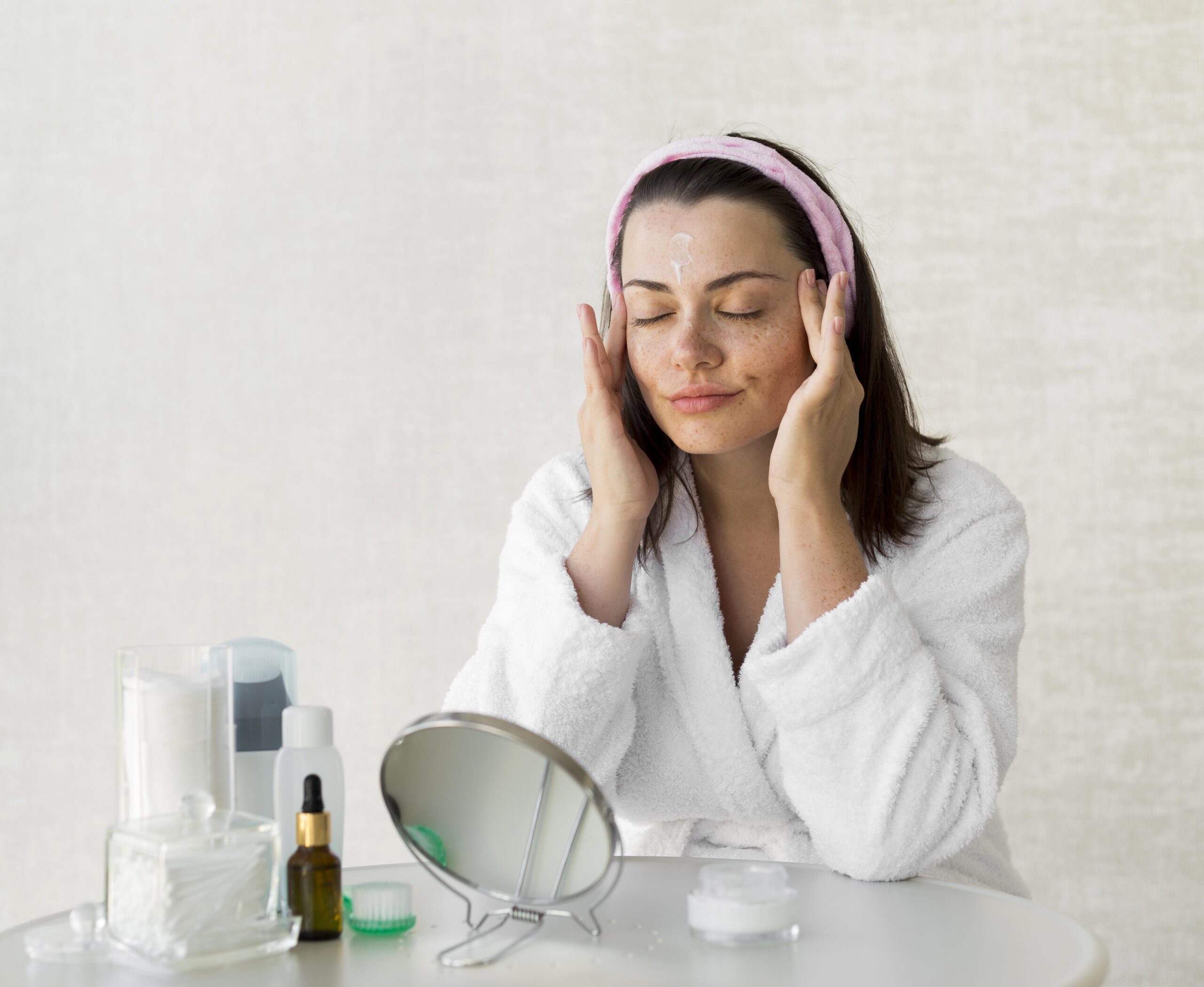
1. Regular Skin Care Routine
Establishing a regular and effective skincare routine is essential for maintaining skin health, especially when stress is a factor. Start by incorporating products that help soothe and repair the skin. Look for ingredients like hyaluronic acid, niacinamide, and vitamin C, which can help combat dryness, redness, and signs of aging.
- Cleanse: Use a gentle cleanser to remove dirt, excess oil, and impurities without stripping the skin’s natural moisture.
- Moisturize: Hydrate your skin with a moisturizer that suits your skin type to keep it plump and healthy.
- Target Treatment: Use spot treatments for acne or serums that address specific concerns like pigmentation or fine lines.
- Sunscreen: Never skip sunscreen, as UV rays can worsen the effects of stress on the skin.
For those dealing with stress-induced acne or eczema, consult with a dermatologist to find the right treatment products. A professional can recommend medical-grade skincare treatments, such as topical corticosteroids for eczema or retinoids for acne and signs of aging.
If you are looking for personalized care, visiting the Best Skin Care Clinic in Halasuru Bangalore can help. Their team of experts can guide you through an effective skincare regimen tailored to your unique needs and help reduce stress-related skin flare-ups.
2. Stress Management Techniques
The most effective way to combat stress-related skin issues is to address the root cause – stress itself. Incorporating stress management techniques into your daily routine can have a profound impact on your skin health.
- Meditation: Practices like mindfulness meditation can help reduce stress levels by calming the mind and promoting relaxation. Even just a few minutes each day can help lower cortisol levels and improve your skin’s appearance.
- Exercise: Regular physical activity, such as yoga, walking, or swimming, can help release endorphins, the body’s natural mood-boosting hormones. Exercise also improves circulation, which can enhance the skin’s radiance.
- Adequate Sleep: Sleep is crucial for both physical and emotional health. A lack of sleep can exacerbate stress, leading to more significant skin problems. Aim for 7–9 hours of quality sleep per night to give your skin the time it needs to repair and regenerate.
- Healthy Diet: Eating a balanced diet rich in antioxidants, vitamins, and omega-3 fatty acids can help combat the effects of stress on your skin. Foods like leafy greens, berries, nuts, and fatty fish provide essential nutrients that support skin health.
- Hydration: Drinking plenty of water throughout the day is vital for maintaining healthy skin. Proper hydration helps flush out toxins and keeps your skin looking plump and youthful.
3. Professional Treatments
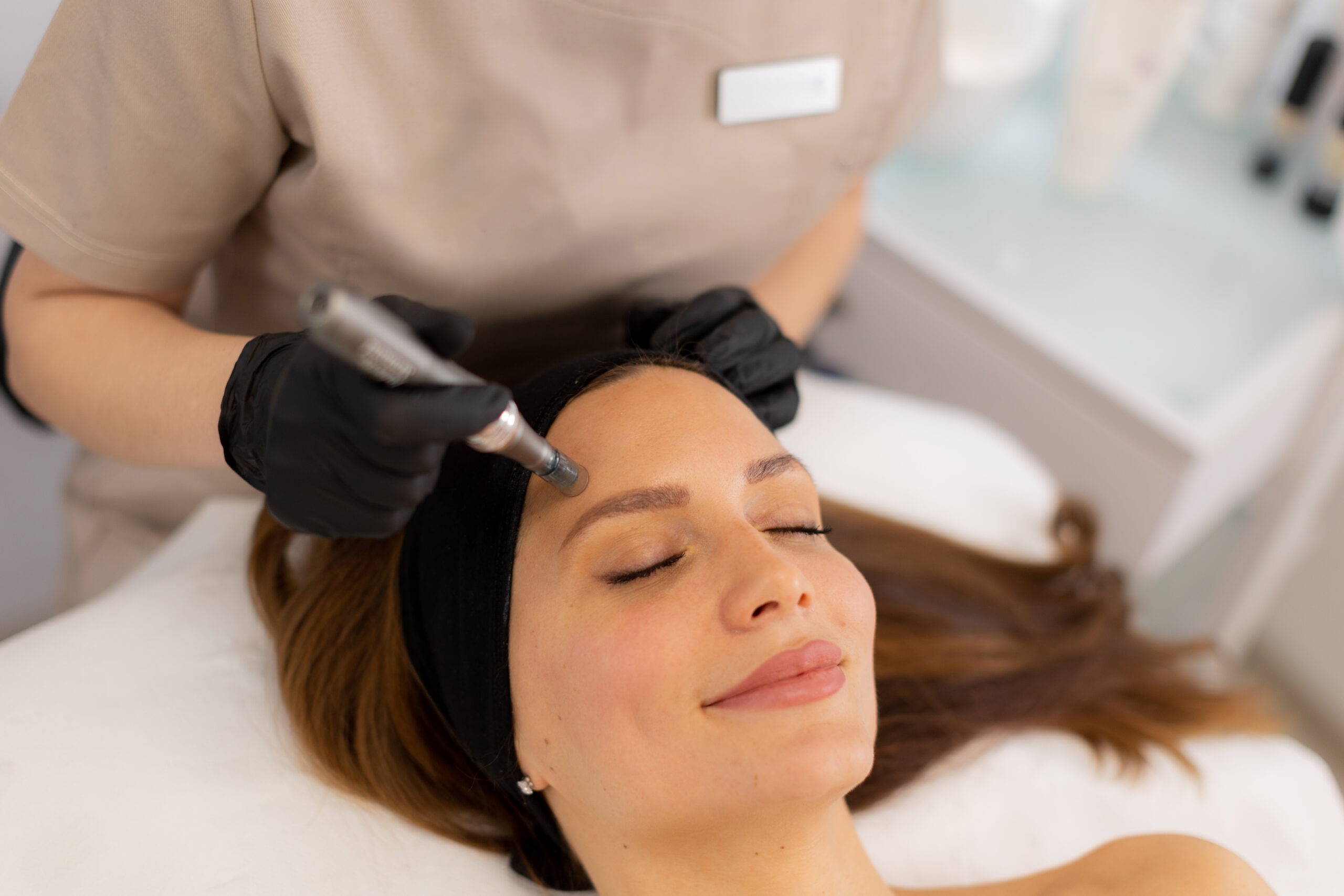
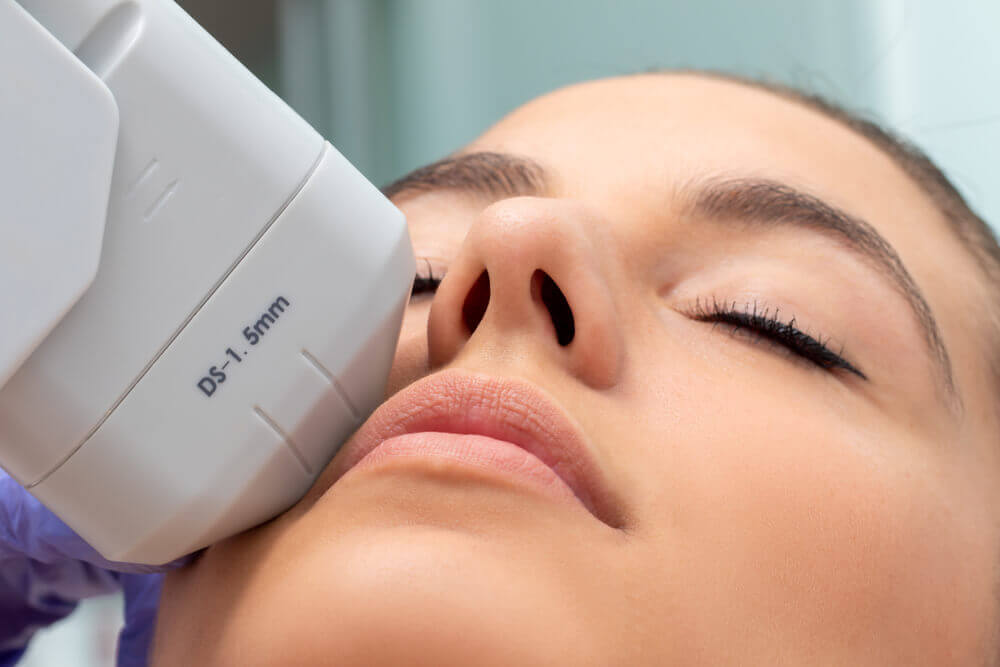
When lifestyle changes and home remedies aren’t enough, seeking professional help is a wise option. The Best Skin Care Clinic in Halasuru Bangalore offers various treatments that can help reduce the visible effects of stress on the skin.
- Chemical Peels: A chemical peel can help rejuvenate the skin by removing dead skin cells and promoting cell turnover. This treatment can help reduce acne scars, fine lines, and pigmentation caused by stress.
- Laser Treatments: Laser therapies like Fractional CO2 laser can help improve skin texture, reduce wrinkles, and fade scars, giving your skin a smoother and more youthful appearance.
- Facials: Regular facials can help to cleanse, hydrate, and rejuvenate stressed skin. Professional facials at a skin care clinic can offer deeper hydration and nourishment, improving your skin’s overall health.
Book Your Appointment With The Best Skin Care Clinic in Halasuru Bangalore Today!
FAQ Section
- How does stress affect my acne?
Stress increases the production of cortisol, which leads to more oil production in your skin, causing acne. - What are some home remedies to reduce stress-related eczema?
Applying aloe vera gel or coconut oil can help soothe eczema. Additionally, managing stress through yoga or meditation can significantly reduce flare-ups. - How can I prevent premature aging caused by stress?
Using skincare products with antioxidants and collagen-boosting ingredients, along with practicing stress-relief techniques, can help prevent premature aging.